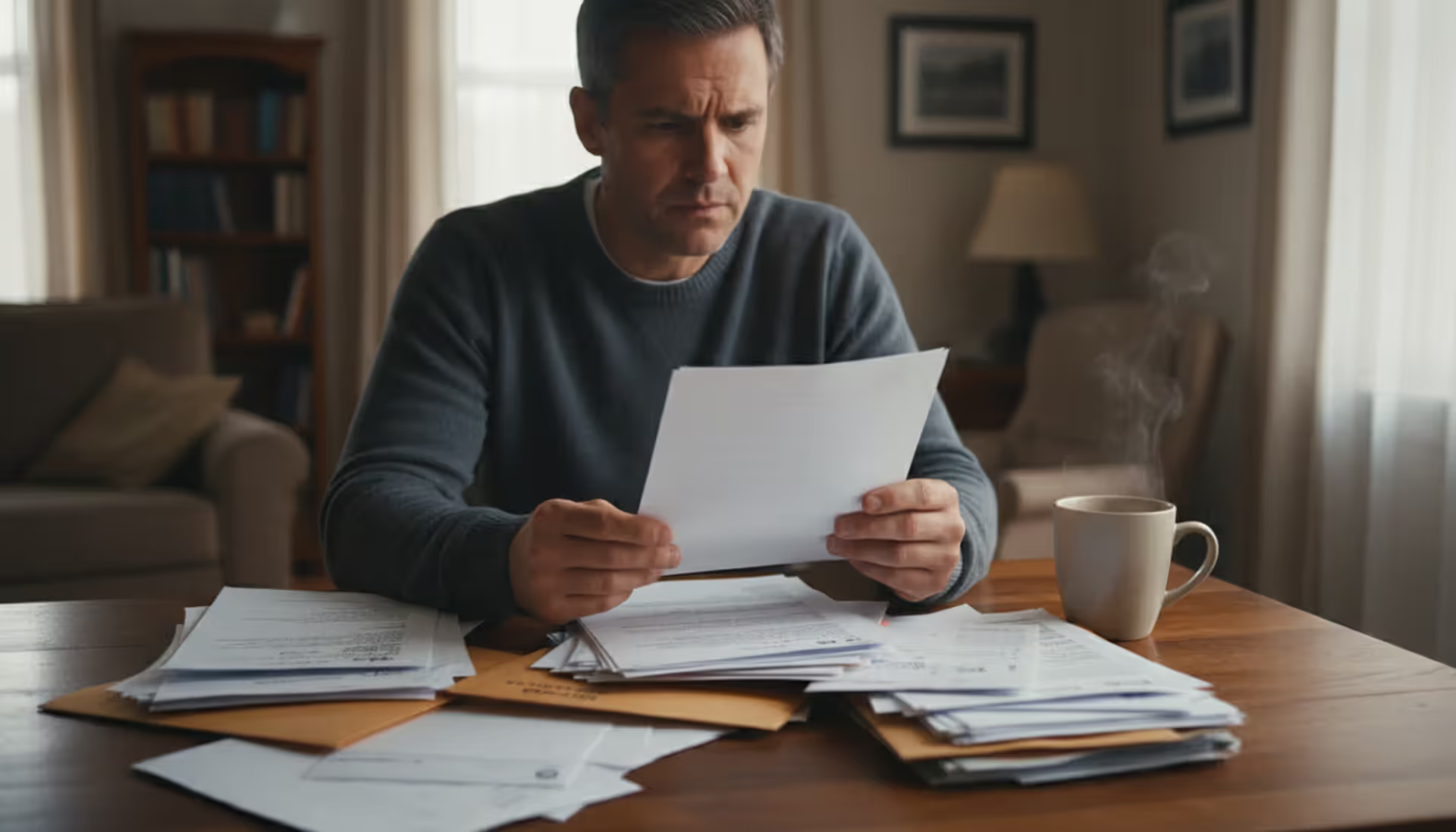
Picture this: Your phone won't stop ringing with collection calls. A quarter of every paycheck disappears before you see it. The foreclosure notice arrived last week.
When you file bankruptcy, something powerful kicks in immediately—the automatic stay. Think of it as a court-ordered timeout that forces creditors to back off. Collection calls? They stop. Wage garnishments? Done. Foreclosure sale? Postponed.
But here's what most people don't realize: this protection has gaps. Some debts keep coming after you. Some creditors can ask the judge to lift the shield. And if you've filed bankruptcy before, your protection might vanish in 30 days.
Let's break down exactly what stops, what doesn't, and how to use this protection effectively.
What Is an Automatic Stay in Bankruptcy?
The automatic stay is an injunction—a court order—that springs into action the second your bankruptcy petition hits the court's filing system. No waiting period. No approval needed. It just... happens.
Here's the legal foundation: Section 362 of the U.S. Bankruptcy Code says creditors must immediately cease all collection efforts against you, your property, and your bankruptcy estate once you file. They can't proceed without getting permission from the bankruptcy judge first.
You don't file separate paperwork to get this protection. The moment your attorney submits your bankruptcy petition (or you file it yourself), that bankruptcy stay of proceedings takes effect. Every creditor who knows about your case—or should know about it—must comply.
Why does this protection exist? Three main reasons:
The stay prevents what bankruptcy lawyers call the "race to the courthouse"—that chaotic scramble where creditors fight to grab your assets before anyone else can. Without it, whoever moved fastest would win, regardless of whether they were owed the most or had the strongest legal claim.
It preserves the bankruptcy estate. Your bankruptcy trustee needs those assets intact to distribute them fairly according to legal priorities. Can't do that if creditors are seizing things left and right.
For you personally? It creates breathing room. You can't effectively navigate bankruptcy while fielding daily collection calls, watching your bank account get drained, or scrambling to stop a foreclosure sale.
This protection applies whether you file Chapter 7 (liquidation), Chapter 13 (repayment plan), or Chapter 11 (typically business reorganization). How long it lasts and how comprehensive it is—that depends on which chapter you choose and whether you've filed bankruptcy recently.
How the Automatic Stay Stops Creditor Actions
The stay throws up a roadblock in front of dozens of different collection tactics. Let's look at the big ones.
Does Bankruptcy Stop Wage Garnishment?
Yes—for most debts, bankruptcy kills wage garnishment instantly. Credit card judgments, medical bills, personal loans, car deficiency balances after repossession—the withholding stops.
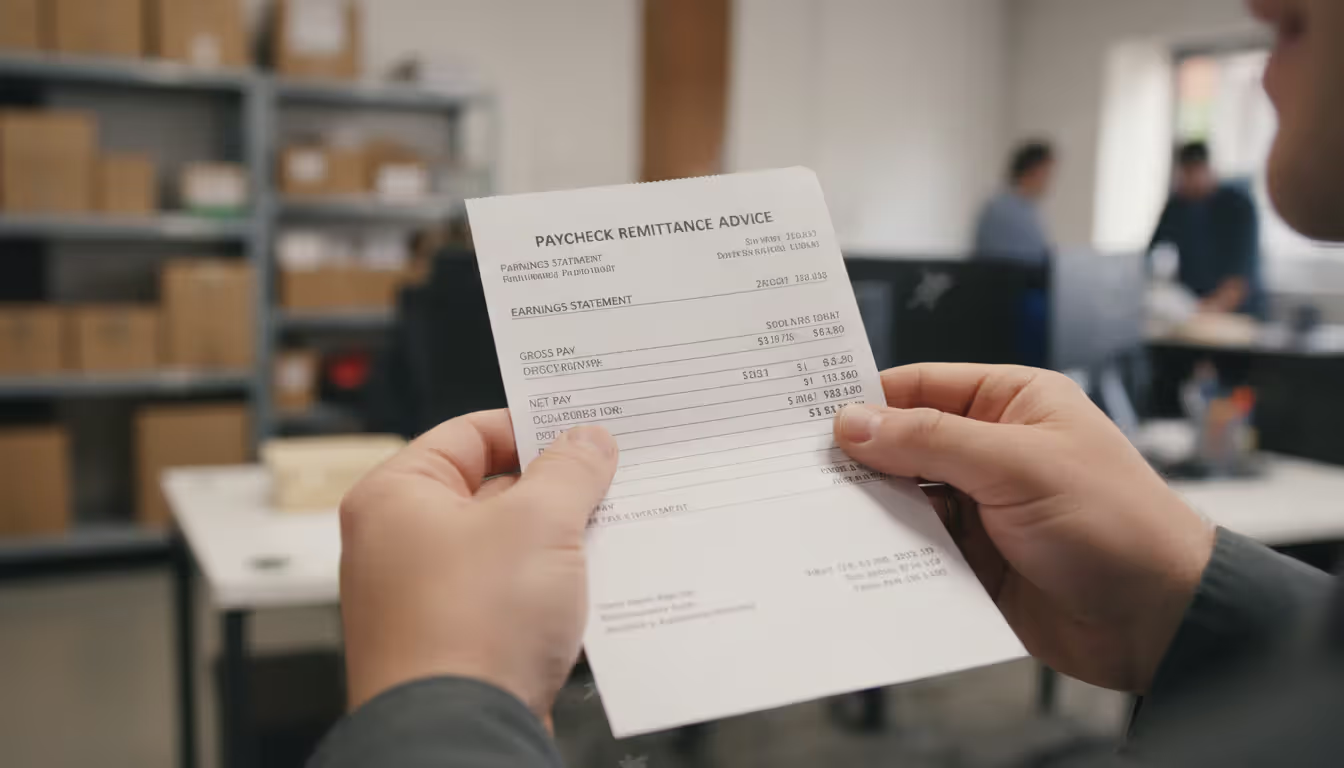
Here's what typically happens: Your bankruptcy lawyer contacts your employer the same day you file, usually by fax or secure email. The payroll department gets documentation showing your case number and filing date. By your next paycheck—sometimes the very next one—the garnishment ends and you get your full wages (minus normal taxes and deductions).
Smart timing matters. Some people file on Thursday or Friday specifically to stop a garnishment scheduled to hit the following week's paycheck.
The big exception? Child support and alimony. Those withholdings march on regardless of your bankruptcy filing. Domestic support obligations get special status under bankruptcy law—they survive the discharge process, so the stay doesn't interrupt collection.
If multiple garnishments are eating your paycheck (yes, some states allow this), bankruptcy might be your only realistic path to keeping enough money for rent and groceries.
Author: Victor Langston;
Source: dynamicrangemetering.com
Automatic Stay and Foreclosure Prevention
Filing bankruptcy slams the brakes on foreclosure proceedings, even when your home is scheduled for auction next week.
Your mortgage lender started the foreclosure process? The sale date is set? Your filing postpones everything. The auction gets canceled. The whole foreclosure timeline pauses.
But—and this is crucial—the pause doesn't erase what you owe. In Chapter 7, you're looking at roughly three to four months of breathing room. If you're $15,000 behind on payments with no way to catch up, your lender will likely ask the court to lift the stay and resume foreclosure. Chapter 7 works best when you need a few months to find new housing or when other debts have been preventing you from making mortgage payments.
Chapter 13 provides much stronger foreclosure defense. You can propose a three-to-five-year repayment plan that cures your mortgage default through affordable monthly payments while you maintain current payments going forward. As long as you follow the plan, the stay remains in force and your mortgage company can't foreclose. Many homeowners file Chapter 13 specifically to save their homes.
Timing is everything. Filing the day before a scheduled foreclosure auction stops it cold. Filing the morning of the sale might be too late if the auctioneer's gavel has already fallen. If foreclosure looms, call a bankruptcy attorney today—not next week.
Other Collection Activities That Must Stop
The stay blocks way more than just garnishments and foreclosure:
Lawsuits and legal actions: Creditors can't file new lawsuits against you. If they've already sued you, the case freezes mid-process. Already have a judgment against you but they haven't collected yet? Enforcement stops.
Repossession: Car lenders and other secured creditors must abandon repossession efforts. If they grabbed your vehicle a few days before you filed but haven't sold it yet, you might get it back.
Utility disconnections: Electric, gas, and water companies can't shut off service for 20 days after filing. After that window, they can demand a deposit for continued service, but they can't disconnect you over pre-filing unpaid balances.
Bank levies and freezes: When a creditor froze your bank account, the stay prevents them from taking that money. Getting back funds they already grabbed requires additional legal steps, though.
Collection harassment: All of it stops. Phone calls, text messages, emails, collection letters—creditors must cease every form of contact once they know about your bankruptcy.
Eviction proceedings: The stay pauses most eviction cases temporarily, though this protection has more holes than the protection for other collection activities (we'll cover those limitations in the exceptions section).
Author: Victor Langston;
Source: dynamicrangemetering.com
How Long Does the Automatic Stay Last?
The stay's duration isn't one-size-fits-all. It depends on your bankruptcy chapter and your filing history.
In Chapter 7, the stay typically continues until you receive your discharge—usually three to four months after filing—or until the case closes. For secured debts like your mortgage or car loan, the stay ends when the court grants the creditor relief from the stay, or when that collateral is no longer part of your bankruptcy estate.
Chapter 13 offers extended protection. The stay generally remains in effect throughout your entire three-to-five-year payment plan, provided you keep making your plan payments on time. This extended protection is one of Chapter 13's biggest advantages for people facing foreclosure or repossession.
Previous bankruptcy filings dramatically alter these timelines. Filed another bankruptcy that got dismissed within the last year? Your automatic stay expires after just 30 days in your new case—unless you file a motion proving you filed your current case in good faith and convince the judge to extend the protection.
Had two or more bankruptcies dismissed within the past year? No automatic stay takes effect at all unless you successfully file a motion within 30 days of your new filing, demonstrating good faith and asking the court to impose the stay.
These restrictions exist to stop abuse by serial filers who repeatedly file bankruptcy solely to delay foreclosure or eviction without any real intent to complete the process. Courts scrutinize repeat filers carefully and require strong evidence of changed circumstances or genuine commitment to completing the bankruptcy.
Exceptions to Automatic Stay Protection
The stay doesn't stop everything. Several important exceptions allow creditors and others to proceed despite your bankruptcy filing.
Criminal prosecutions: Criminal cases proceed normally. If you're facing criminal charges, the trial schedule continues unchanged. The stay does prevent collection of criminal fines and restitution during your bankruptcy, though.
Child support and alimony: Collection of domestic support obligations continues without interruption. Wage garnishment for child support doesn't stop. Your ex-spouse can pursue other collection methods through family court. These obligations get priority treatment because they support dependent family members.
Certain tax activities: The IRS and state tax agencies can still conduct audits, send deficiency notices, demand tax returns, and assess tax liabilities. However, the IRS generally can't levy your wages or seize your property while the stay is active.
Evictions with judgment for possession: When your landlord already obtained a judgment for possession before you filed bankruptcy, the stay usually won't prevent your eviction. There's a narrow exception if state law allows you to cure the default and you deposit rent money with the bankruptcy court, but this rarely works in practice.
"Endangerment" evictions: When your landlord claims you're endangering the property or illegally using controlled substances on the premises, the landlord can proceed with eviction despite the stay by filing a certification with the bankruptcy court.
Qualified retirement plan loans: Loans from 401(k) plans and other qualified retirement accounts, repaid through automatic payroll deduction, may continue.
Repeat filer limitations: As discussed earlier, people with multiple filings in the past year face automatic stay restrictions or no stay at all.
Understanding these exceptions prevents nasty surprises. If you face criminal charges, owe child support, or have an existing eviction judgment against you, bankruptcy won't stop those proceedings.
Author: Victor Langston;
Source: dynamicrangemetering.com
When Creditors Can Lift the Automatic Stay
Even when the stay initially protects you, creditors can ask the court to remove it. They do this by filing a motion for relief from stay. Judges grant these requests when creditors demonstrate legitimate reasons the stay shouldn't apply to their particular debt.
The most common ground for lifting the stay? Secured debts where you lack equity and can't make payments. Say you're three months behind on your car loan, you owe $12,000 but the car's only worth $8,000, and you can't afford to catch up. The lender will almost certainly get stay relief to repossess the vehicle.
Mortgage companies routinely seek stay relief in Chapter 7 cases when you've fallen behind and lack income to cure the default. Since Chapter 7 doesn't provide a mechanism for catching up on missed payments over time, courts usually grant relief when you can't immediately bring the loan current.
Another common reason involves "adequate protection." When a secured creditor's collateral is depreciating (like a car losing value), the creditor can demand stay relief unless you provide adequate protection—usually additional payments to compensate for the depreciation.
The process works like this: The creditor files their motion with the bankruptcy court and serves copies on you, the trustee, and other interested parties. The court schedules a hearing, typically 25-30 days out. You can oppose the motion. Both sides present evidence and arguments at the hearing. The judge decides whether to grant relief, deny it, or grant relief with conditions attached.
Courts sometimes grant relief "for cause"—a flexible standard that includes things like filing in bad faith, failing to insure collateral, or failing to make post-petition payments on secured debts.
When you receive a motion for relief from stay, act quickly. If you don't show up to the hearing, the creditor often wins by default. A skilled bankruptcy lawyer can negotiate with the creditor, propose adequate protection payments, or argue why the stay should remain in place.
What to Do If a Creditor Violates the Stay
Creditors violate the automatic stay more often than you'd think. Sometimes they simply haven't received notice of your bankruptcy yet. Other times they incorrectly assume their debt falls outside the stay. And yes, some deliberately ignore the law.
When a creditor contacts you after filing, first confirm whether they know about the bankruptcy. Give them your case number and filing date. Many violations result from communication gaps rather than intentional defiance.
When the creditor knows about your bankruptcy but continues collection efforts, document everything. Save voicemails, emails, letters, and text messages. Write down the date, time, and content of phone calls. This documentation becomes critical evidence if you pursue legal remedies.
Notify your bankruptcy attorney immediately. Your lawyer can send a cease-and-desist letter reminding the creditor about the automatic stay and warning of potential sanctions. Most violations stop at this stage.
For serious or repeated violations, you can file a motion for contempt with the bankruptcy court. Willful violations of the automatic stay can result in actual damages (any financial harm you suffered), emotional distress damages, attorney fees, and in egregious cases, punitive damages.
The automatic stay is one of the most powerful protections in bankruptcy law. When creditors violate it, courts take those violations seriously. I've seen clients recover thousands of dollars for stay violations—particularly when creditors repossessed vehicles or withdrew money from bank accounts after receiving notice of the bankruptcy
— Rebecca Martinez
Common violations include continuing wage garnishment after notice, repossessing vehicles, filing or continuing lawsuits, freezing bank accounts, and making harassing phone calls. Each violation potentially entitles you to compensation.
The automatic stay protects you, but enforcement requires your action. Violations won't fix themselves. Creditors who face no consequences for violations often continue their illegal conduct.
What the Automatic Stay Stops vs. What It Doesn't Stop
Type of Collection Action
Protected by Automatic Stay?
Credit card collection calls and letters
Yes – all contact must stop immediately
Wage garnishment for credit cards or medical bills
Yes – employer must stop withholding right away
Foreclosure proceedings on your home
Yes – sale postponed temporarily
Vehicle repossession
Yes – lender must cease collection efforts
Lawsuits to collect debts
Yes – court proceedings pause
Bank account levy or freeze
Yes – creditors cannot withdraw funds
Utility shutoff for unpaid bills
Yes – minimum 20-day protection
Eviction before landlord gets possession order
Yes – temporarily stopped
Wage withholding for child support
No – garnishment continues
Collection of alimony or spousal support
No – stay does not apply
Criminal proceedings
No – trials and hearings proceed
Eviction after landlord obtained possession judgment
No – eviction typically proceeds
IRS tax audits
No – tax agency can continue audit
401(k) loan repayments
No – payments usually continue
Frequently Asked Questions About Automatic Stays
Can I file bankruptcy to stop a garnishment immediately?
Yes. Filing bankruptcy stops most wage garnishments effective immediately. The automatic stay activates the instant your petition is filed with the court—no waiting period required. Your attorney should notify your employer right away, usually by the same day or next business day, so the withholding stops by your next paycheck. The exception is child support or alimony garnishments, which continue regardless of bankruptcy. For consumer debts like credit cards, medical bills, or personal loans, bankruptcy provides immediate garnishment relief.
Will the automatic stay stop my utility from being shut off?
The stay prevents utility disconnection for at least 20 days after you file. During this period, the utility company cannot terminate service for pre-filing unpaid charges. After 20 days, the utility can require a deposit for continued service—usually equal to about two months of average usage. But here's the key: the utility cannot demand payment of pre-filing balances as a condition of continuing service. This gives you time to address the debt through bankruptcy while keeping your lights and heat on.
What happens if I've filed bankruptcy multiple times?
Multiple bankruptcy filings within one year trigger serious automatic stay limitations. One prior case dismissed in the past 12 months? Your stay lasts only 30 days in your new case unless you file a motion demonstrating good faith and the court extends it. Two or more dismissed cases in the previous year? No automatic stay takes effect unless you successfully request one within 30 days of filing. Courts view multiple filers with suspicion to prevent abuse of the bankruptcy system. If your circumstances have genuinely changed since your previous filing, make this clear to the court with specific evidence.
Can my landlord evict me during an automatic stay?
It depends on how far along the eviction was when you filed. If your landlord already has a judgment for possession, the stay typically won't stop the eviction. If the eviction case is still pending in court, the stay temporarily halts it—but this protection has significant limitations. When your landlord claims you're endangering the property or using illegal drugs there, they can proceed with eviction by filing a certification with the bankruptcy court. Some states let you cure the default (pay the back rent) and keep your lease, but you must deposit rent with the court and meet strict requirements. Bottom line: bankruptcy offers much stronger protection against mortgage foreclosure than against eviction.
How quickly does the automatic stay go into effect?
The stay activates instantly when your bankruptcy petition is filed—the precise moment it's submitted to the court, whether electronically or on paper. You don't wait for a hearing or judge's signature. However, creditors must receive notice or otherwise learn of your filing before the stay binds them. Your lawyer typically sends notice to creditors the same day or next business day. For time-sensitive situations like a scheduled foreclosure sale or imminent garnishment, attorneys often call or fax notice to creditors immediately after filing to ensure they halt collection activity.
What should I do if a creditor contacts me after I file bankruptcy?
First, inform the creditor about your bankruptcy filing. Provide your case number, filing date, and your attorney's contact information. Many post-filing contacts happen simply because the creditor hasn't received notice yet. If the creditor knows about your bankruptcy but continues collection efforts, document the contact and notify your attorney immediately. Your lawyer can send a cease-and-desist letter and, if necessary, file a contempt motion. Don't ignore creditor contacts after filing—they may constitute a stay violation that entitles you to damages. Never make payments directly to creditors after filing without consulting your attorney, as this can create complications in your bankruptcy case.
The bankruptcy automatic stay provides immediate, powerful protection from creditor collection activities when you need relief most. From stopping wage garnishment to halting foreclosure proceedings, this legal shield creates essential breathing room to address your debts through the bankruptcy process without constant harassment.
Understanding what the stay covers, how long it lasts, and where its limits are helps you maximize its protection. While it stops most collection activities, important exceptions exist for child support, criminal matters, and certain evictions. People with multiple prior filings face additional restrictions that limit the stay's effectiveness.
When creditors violate the stay, you have legal remedies available, including monetary damages and attorney fee recovery. Document violations carefully and work with your bankruptcy attorney to enforce your rights. The automatic stay only protects you if you actively enforce it when needed.
Whether you're facing garnishment, foreclosure, repossession, or other collection threats, the automatic stay offers a path to a fresh start. Consult with an experienced bankruptcy lawyer to understand how the stay applies to your specific situation and which bankruptcy chapter provides the protection you need.
Bankruptcy drops your credit score to 500-550 initially, but recovery is possible. Most filers reach 620-680 within 2-3 years through secured cards, perfect payments, and low utilization. Chapter 7 stays on reports 10 years, Chapter 13 for 7 years, but their impact fades as you build positive history
Filing bankruptcy triggers immediate effects including automatic stay protection and creditor notification. Understanding the consequences—from credit impact to asset treatment—helps you decide if bankruptcy offers the right solution for overwhelming debt in your situation
Filing for bankruptcy means declaring to federal court that you cannot repay debts under current terms. This legal process provides pathways to eliminate debts or restructure them into manageable plans, offering a fresh financial start under court supervision
Filing for Chapter 7 bankruptcy can provide a fresh financial start, but the process requires careful preparation. This comprehensive guide covers eligibility requirements, required documents, step-by-step filing procedures, costs, and what happens after you file—including whether you should hire an attorney or file yourself
The content on this website is provided for general informational and educational purposes only. It is intended to explain concepts related to bankruptcy, debt relief, credit rebuilding, and related legal processes.
All information on this website, including articles, guides, and examples, is presented for general educational purposes. Bankruptcy outcomes and procedures may vary depending on jurisdiction, personal circumstances, and applicable laws.
This website does not provide legal, financial, or credit advice, and the information presented should not be used as a substitute for consultation with qualified attorneys or financial advisors.
The website and its authors are not responsible for any errors or omissions, or for any outcomes resulting from decisions made based on the information provided on this website.