Person standing at a crossroads choosing between a dark broken path leading into fog and a bright smooth road leading toward a sunlit horizon symbolizing financial recovery after bankruptcy
Filing for bankruptcy represents one of the most significant financial decisions you'll ever make. Beyond the immediate relief from overwhelming debt, bankruptcy triggers substantial changes to your credit profile that can influence your financial life for years. Understanding these consequences helps you make informed decisions and prepare for the road ahead.
What Happens to Your Credit Score When You File Bankruptcy
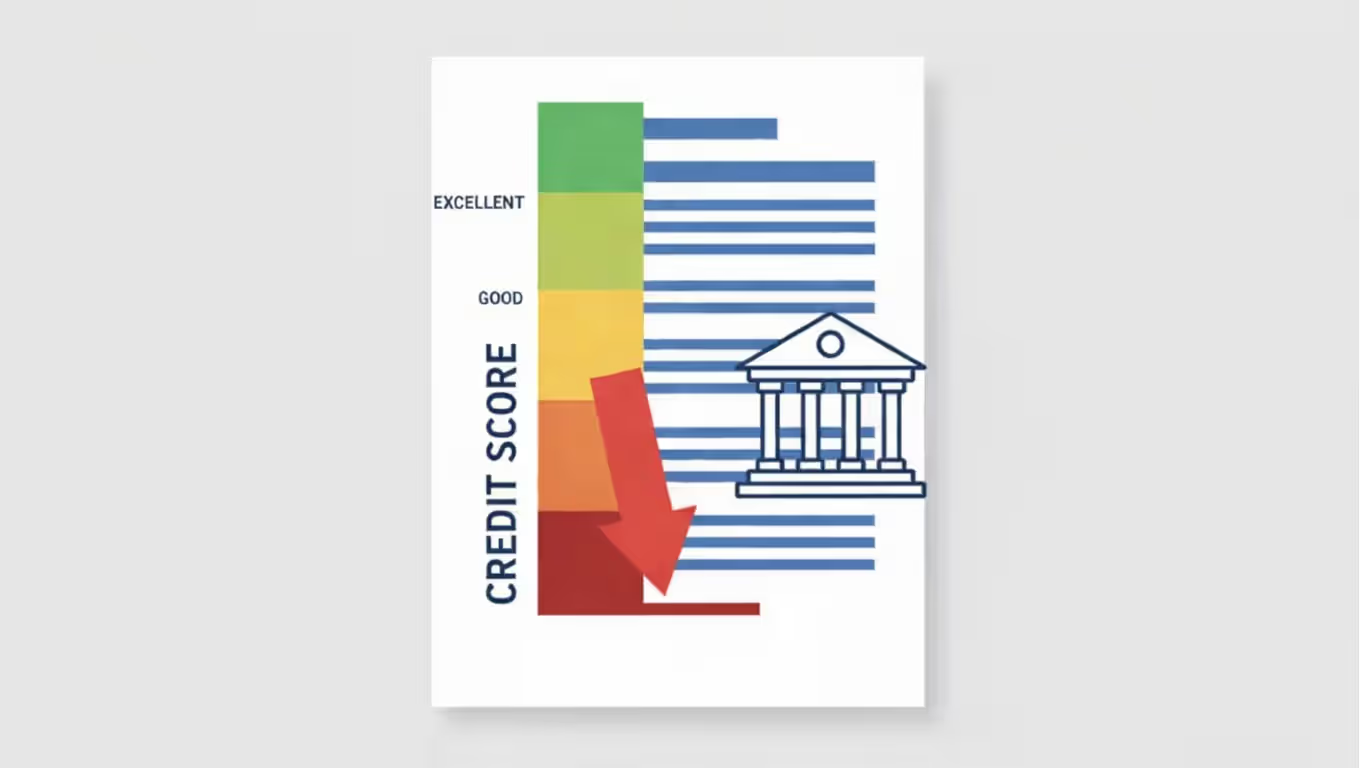
The moment bankruptcy appears on your credit report, your score drops—sometimes dramatically. The exact decline depends on where you started. Someone with a 780 credit score might lose 200 to 240 points, while a person already at 580 might see a smaller drop of 130 to 150 points. This happens because credit scoring models view bankruptcy as the highest-risk indicator of default.
Chapter 7 and Chapter 13 bankruptcies affect your credit differently, though both cause significant damage. Chapter 7 liquidates eligible assets to pay creditors and typically concludes within four to six months. Your credit report shows each discharged account as "included in bankruptcy," and the bankruptcy itself appears as a separate public record. Chapter 13 involves a three-to-five-year repayment plan, and accounts show as "included in Chapter 13" during this period.
The bankruptcy and credit score impact varies based on your payment history before filing. If you already had multiple late payments, collections, or charge-offs, bankruptcy might not drop your score as much as someone with pristine credit. Credit bureaus already penalized you for those delinquencies. However, bankruptcy consolidates all that negative information under one catastrophic event.
Most filers see their scores bottom out between 500 and 550 immediately after filing. The bankruptcy impact on credit score compounds when you consider that it affects all five major scoring factors: payment history (35%), amounts owed (30%), length of credit history (15%), new credit (10%), and credit mix (10%). Bankruptcy directly damages payment history and often results in closed accounts, which reduces your credit mix and can shorten your average account age if those were older accounts.
Author: Olivia Stratton;
Source: dynamicrangemetering.com
Here's a critical detail many people miss: how bankruptcy damages credit score depends partly on what happens to your accounts after discharge. If you had a car loan that you reaffirmed (agreed to continue paying), and you keep making on-time payments, that positive payment history starts rebuilding your score immediately. Conversely, if you surrender the vehicle, that account closes with a bankruptcy notation, offering no recovery benefit.
How Long Bankruptcy Stays on Your Credit Report
A Chapter 7 filing will appear on your credit reports for a full decade, counting from the date you initially submitted your petition to the court. Chapter 13 filings persist for seven years using that same calculation method. This timeline applies regardless of when you receive your discharge. If you file Chapter 7 in March 2026, it stays visible until March 2036. File Chapter 13 with a five-year plan in March 2026, and it disappears in March 2033—even though you're still making payments until 2031.
The distinction matters for planning purposes. Some people assume the clock starts when their case closes or when they receive a discharge, but credit bureaus mark from the filing date. This means Chapter 13 filers get some relief: their bankruptcy falls off their report just two years after completing a five-year plan, while Chapter 7 filers wait a full decade.
During this period, anyone pulling your credit report sees the bankruptcy. Mortgage lenders, auto financiers, credit card companies, landlords, and sometimes employers (with your permission) can access this information. The bankruptcy negative credit effects extend beyond just the score—it's a red flag that prompts additional scrutiny, higher interest rates, or outright denial.
Individual accounts discharged in bankruptcy have their own reporting timelines. A credit card included in your Chapter 7 can report for seven years from the date of first delinquency, not from the bankruptcy filing date. This creates a staggered effect where some negative items disappear before the bankruptcy itself does. For example, a credit card that went delinquent in January 2025 and was included in a March 2026 bankruptcy filing would drop off in January 2032, while the bankruptcy public record remains until March 2036.
The bankruptcy credit consequences explained include this often-overlooked aspect: the public record is just one piece. Each discharged account shows the bankruptcy notation separately. You might have fifteen accounts all marked "included in bankruptcy," creating multiple negative entries from a single filing. As these accounts age and eventually fall off, your score gradually improves even before the bankruptcy public record itself disappears.
Does Bankruptcy Clear Evictions and Judgments
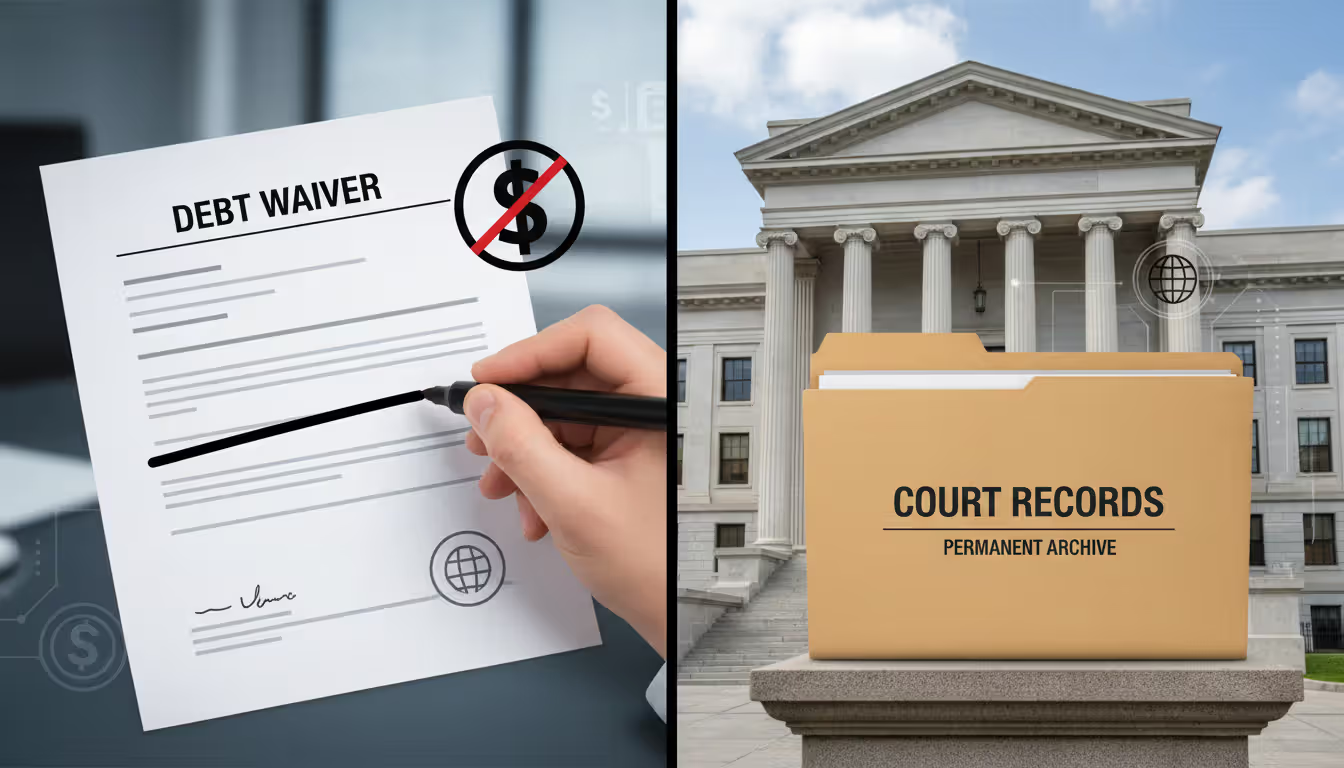
This question trips up many filers because the answer splits into two parts: debt versus records. Bankruptcy can discharge the debt from an eviction or judgment, but it doesn't erase the public record of the event itself.
When you're evicted, the landlord might obtain a judgment for unpaid rent, damages, or court costs. That judgment becomes a debt you owe. Filing bankruptcy can discharge this debt, meaning you're no longer legally obligated to pay it. The creditor cannot pursue collection, garnish wages, or report the debt as unpaid. But will the eviction itself vanish from tenant screening databases? Absolutely not. The eviction filing remains accessible through public court records.
Landlords typically check two things: credit reports and eviction records. Even after bankruptcy discharges the eviction debt, a landlord searching court records in the county where you were evicted will find the eviction filing. Tenant screening companies maintain databases of eviction filings that exist independently of credit bureaus. Bankruptcy doesn't seal or expunge these court records.
The same principle applies when asking does bankruptcy clear judgements. A judgment for a car accident, medical debt, credit card lawsuit, or personal loan becomes dischargeable debt in most bankruptcy cases. Once discharged, the creditor cannot collect. But the public record of the judgment—the court filing showing a creditor sued you and won—stays in courthouse records. Some credit bureaus remove satisfied judgments from credit reports after seven years, but the court record itself persists.
There's a practical workaround some filers use: they note on rental applications that the debt was "discharged in bankruptcy" rather than leaving it unexplained. Some landlords view a bankruptcy discharge more favorably than an unpaid eviction judgment, seeing it as a resolved matter rather than an ongoing liability. This doesn't work with all landlords, but it's better than silence.
One exception worth noting: judgments for certain debts survive bankruptcy. If you caused injury while driving drunk, committed fraud, or owe child support, those judgments typically aren't dischargeable. The debt remains, the judgment stands, and you're still liable. Always verify with a bankruptcy attorney whether your specific judgment qualifies for discharge.
Author: Olivia Stratton;
Source: dynamicrangemetering.com
Rebuilding Your Credit After Bankruptcy
Recovery starts the day you file, not the day your bankruptcy disappears from your report. Understanding how does filing for bankruptcy affect you long-term means recognizing that your actions during and after bankruptcy matter more than the bankruptcy itself.
Secured credit cards offer the fastest route to rebuilding. You deposit $200 to $500 with a bank, which then issues you a credit card with a limit matching your deposit. Use it for small purchases—gas, groceries—and pay the full balance every month. This reports as regular credit card activity, not as a secured card, building positive payment history. Within six to twelve months, some issuers graduate you to an unsecured card and return your deposit.
Credit-builder loans work differently but serve the same purpose. A credit union or online lender "loans" you $500 to $1,000, but instead of giving you the money, they place it in a locked savings account. You make monthly payments for twelve to twenty-four months. Each payment reports to credit bureaus. When the loan term ends, you receive the money. You've paid interest for the privilege of building credit, but the trade-off helps establish a positive payment pattern.
Your track record of making bills on time comprises over one-third of your entire score calculation—more than any other element in the formula. Missing even one payment on a new account after bankruptcy can stall your recovery for months. Arrange automatic bank drafts for your monthly obligations, ensuring you never miss a due date. Better yet, pay in full to avoid interest charges. Bankruptcy already damaged your credit; post-bankruptcy late payments compound that damage and signal to lenders that you haven't changed your financial behavior.
Realistic timelines for recovery vary. Most people reach a 650 credit score within two to three years after Chapter 7 if they use secured cards, avoid late payments, and keep credit utilization below 30%. Reaching 700 takes four to five years. Chapter 13 filers who make plan payments on time often see faster recovery because they're demonstrating responsible payment behavior throughout the repayment period.
Author: Olivia Stratton;
Source: dynamicrangemetering.com
One strategy many overlook: becoming an authorized user on someone else's account. If a family member with excellent credit adds you to their credit card (you don't need actual access to the card), their positive payment history can appear on your report. This works best when the primary cardholder has a long account history and low utilization. Not all issuers report authorized users to all bureaus, so verify before relying on this method.
Diversifying your credit mix helps too, but don't rush it. Start with one secured card. After six months of on-time payments, consider adding a credit-builder loan. After another six months, you might qualify for a second secured card or a retail store card. Spreading out your new account requests keeps hard inquiries from accumulating rapidly, since each inquiry temporarily damages your score by a few points.
Understanding how does filing bankruptcy affect you personally means accepting that patience matters more than speed. Trying to rebuild too quickly—applying for multiple cards, taking out loans you don't need—can backfire. Each application creates a hard inquiry. Too many inquiries signal desperation to lenders and can trigger denials, which then discourage you from continuing rebuilding efforts.
Common Mistakes That Worsen Credit Damage During Bankruptcy
The biggest error occurs when filers stop caring about their credit because "it's already ruined." This mindset leads to missed payments on accounts not included in bankruptcy, like a car loan you're keeping or a mortgage you're reaffirming. Those late payments report separately from the bankruptcy and add fresh negative marks that extend your recovery timeline.
Closing old accounts before or during bankruptcy seems logical—you want a fresh start, right? Wrong. Closing accounts shortens your average credit history length and reduces your total available credit, which increases your utilization ratio on remaining accounts. If you had a $5,000 credit card with a zero balance (not included in bankruptcy because it was paid off) and you close it, you've just eliminated $5,000 in available credit. If you then open a new secured card with a $300 limit and carry a $100 balance, your utilization jumps to 33% instead of the 1.9% it would have been with the old card still open.
Submitting numerous credit applications in rapid succession creates multiple hard inquiries that pile up on your report within weeks. Some people file bankruptcy, get their discharge, and immediately apply for five credit cards hoping one approves them. Each denial shows as an inquiry. Multiple inquiries in a short period suggest financial distress, making the sixth lender even less likely to approve you. Allow three to six months between each new credit application to minimize this damage.
Author: Olivia Stratton;
Source: dynamicrangemetering.com
Ignoring post-bankruptcy financial education requirements damages more than just credit. Chapter 7 and Chapter 13 both require debtor education courses. Failing to complete these can result in your discharge being revoked, which means the bankruptcy stays on your record but you don't get debt relief. You've taken the credit hit without the benefit.
Another mistake: not monitoring your credit report after discharge. Creditors sometimes continue reporting discharged debts as active or past due. You're entitled to dispute these errors. A discharged debt should show a zero balance and a notation that it was included in bankruptcy. If a creditor reports it as "charged off" with a balance still owed, that's inaccurate and damages your score more than necessary. Check your reports from all three bureaus (Equifax, Experian, TransUnion) sixty days after your discharge and dispute any errors immediately.
Co-signing for others or allowing others to co-sign for you creates unnecessary risk. How does bankruptcy affect you personally extends to your relationships. If you co-sign for someone post-bankruptcy and they miss payments, those late payments report on your credit, undoing your rebuilding efforts. Similarly, if someone co-signs for you and you miss a payment, you've damaged their credit and your own.
Most people overestimate how long bankruptcy will affect them and underestimate their ability to recover.I've seen clients reach 680 credit scores within thirty months of Chapter 7 discharge by using secured cards responsibly and maintaining perfect payment history. The bankruptcy remains on their report, but its impact diminishes significantly as positive payment history accumulates. The key is consistency—one missed payment can set you back six months
— Jennifer Martinez
Frequently Asked Questions About Bankruptcy and Credit
Can I get a mortgage after bankruptcy?
Yes, but mandatory waiting periods apply. FHA loan programs impose a two-year waiting period following Chapter 7 discharge completion and will consider applications just one year into an active Chapter 13 repayment plan (requiring court approval and verified on-time payments). Traditional conventional financing programs typically mandate waiting four years after Chapter 7 completion and two years following the final discharge in Chapter 13 cases. Veterans pursuing VA-backed mortgages face a two-year waiting period after completing Chapter 7 proceedings. During this time, you'll need to rebuild credit, maintain stable employment, and save for a down payment—often larger than pre-bankruptcy requirements.
Will bankruptcy affect my job or security clearance?
Employers cannot discriminate against you solely for filing bankruptcy, according to federal law. However, certain positions—especially those involving financial responsibility or security clearances—scrutinize bankruptcy more closely. A security clearance review examines whether financial distress makes you vulnerable to bribery or coercion. Bankruptcy itself doesn't disqualify you, but unresolved debt sometimes does. Ironically, discharging debt through bankruptcy can improve your clearance eligibility compared to carrying overwhelming unpaid balances.
How much will my credit score drop after filing?
Anticipate losing anywhere from 130 to 240 points based on your starting position. Higher scores fall further. Someone at 780 might drop to 540, while someone at 600 might fall to 470. The drop happens because bankruptcy affects multiple scoring factors simultaneously. Your exact decrease depends on your credit profile before filing, including existing late payments, collections, and credit utilization.
Does bankruptcy remove all negative items from my credit report?
No. Bankruptcy only affects debts included in your filing. If you have a late payment on a car loan you're keeping, that late payment remains. If you had a collection account from three years ago that wasn't included (perhaps you already paid it), it stays on your report. Bankruptcy discharges qualifying debts, but it doesn't erase your entire credit history. Accounts included in bankruptcy show as discharged, but the record of those accounts and their previous delinquencies remains for seven years from the date of first delinquency.
Can I rebuild credit while in Chapter 13 repayment?
Absolutely, and doing so provides significant advantages. You need court permission to take on new debt during Chapter 13, but secured credit cards and credit-builder loans often receive approval because they pose minimal risk. Making your Chapter 13 plan payments on time reports positively to credit bureaus, helping rebuild your score during the repayment period. Many Chapter 13 filers reach the mid-600s by the time their plan completes, giving them a head start compared to Chapter 7 filers who must wait until after discharge to begin rebuilding.
Will my spouse's credit be affected if I file bankruptcy alone?
Only if you have joint accounts. Your bankruptcy filing doesn't appear on your spouse's credit report. However, if you discharge a joint credit card, the creditor can pursue your spouse for the full balance. That account shows on your spouse's report as an unpaid debt. If you're in a community property state (Arizona, California, Idaho, Louisiana, Nevada, New Mexico, Texas, Washington, Wisconsin), creditors might have claims against community property even if your spouse didn't file, but your spouse's individual credit report still doesn't show your bankruptcy. To protect your spouse's credit, some couples file jointly, while others carefully structure which debts to include and whether to reaffirm joint obligations.
Bankruptcy reshapes your financial life, but it doesn't define it permanently. The credit damage is real and substantial, but it's also temporary and recoverable. Your score will drop, sometimes dramatically. The bankruptcy will remain visible to creditors for seven to ten years. Certain debts, like eviction judgments, might discharge while the public record persists.
Yet thousands of people rebuild strong credit after bankruptcy every year. They do it by understanding the specific ways bankruptcy affects credit scores, avoiding common mistakes that compound the damage, and taking deliberate steps to establish new positive payment history. Secured credit cards, credit-builder loans, and consistent on-time payments form the foundation of recovery.
The timeline requires patience. Reaching a 650 score takes two to three years for most filers. Getting back to 700 or above takes four to five years. These aren't just numbers—they represent your ability to qualify for mortgages, car loans, and credit cards with reasonable interest rates. They determine whether landlords approve your rental application and how much you'll pay for insurance.
Start rebuilding immediately after discharge. Monitor your credit reports for errors. Pay every bill on time, even small ones. Keep credit utilization low. Spread out new credit requests over time. Avoid co-signing. These actions won't erase the bankruptcy from your report, but they'll minimize its impact and accelerate your recovery.
Bankruptcy offers a legal fresh start from debt, but credit recovery requires your active participation. The framework exists—secured cards, credit-builder loans, time—but you must execute consistently. Every on-time payment adds a small positive mark. Every month without new negative information helps. Gradually, the bankruptcy becomes one old entry among many positive ones, and your score reflects your current behavior rather than your past crisis.
Medical bankruptcy helps thousands of Americans eliminate overwhelming healthcare debt each year. This guide explains how bankruptcy discharges hospital bills, which chapter to file, the complete process, costs, and consequences of using bankruptcy to clear medical debt permanently
Bankruptcy stays on credit reports for 7-10 years, but errors happen frequently. Discover how to identify bankruptcy reporting mistakes, dispute inaccurate information with credit bureaus, and rebuild your credit score through proven strategies after bankruptcy discharge
Bankruptcy remains on your credit report for 7-10 years depending on the chapter filed, but its impact diminishes significantly over time. Understanding the specific timeline and taking strategic rebuilding steps helps you recover your credit score and qualify for loans years before the bankruptcy notation disappears
Tax debt can feel overwhelming, especially when the IRS begins collection actions. Bankruptcy can eliminate certain tax debts under specific conditions, but not all tax obligations qualify for discharge. Understanding the 3-year, 2-year, and 240-day rules is essential for determining eligibility
The content on this website is provided for general informational and educational purposes only. It is intended to explain concepts related to bankruptcy, debt relief, credit rebuilding, and related legal processes.
All information on this website, including articles, guides, and examples, is presented for general educational purposes. Bankruptcy outcomes and procedures may vary depending on jurisdiction, personal circumstances, and applicable laws.
This website does not provide legal, financial, or credit advice, and the information presented should not be used as a substitute for consultation with qualified attorneys or financial advisors.
The website and its authors are not responsible for any errors or omissions, or for any outcomes resulting from decisions made based on the information provided on this website.