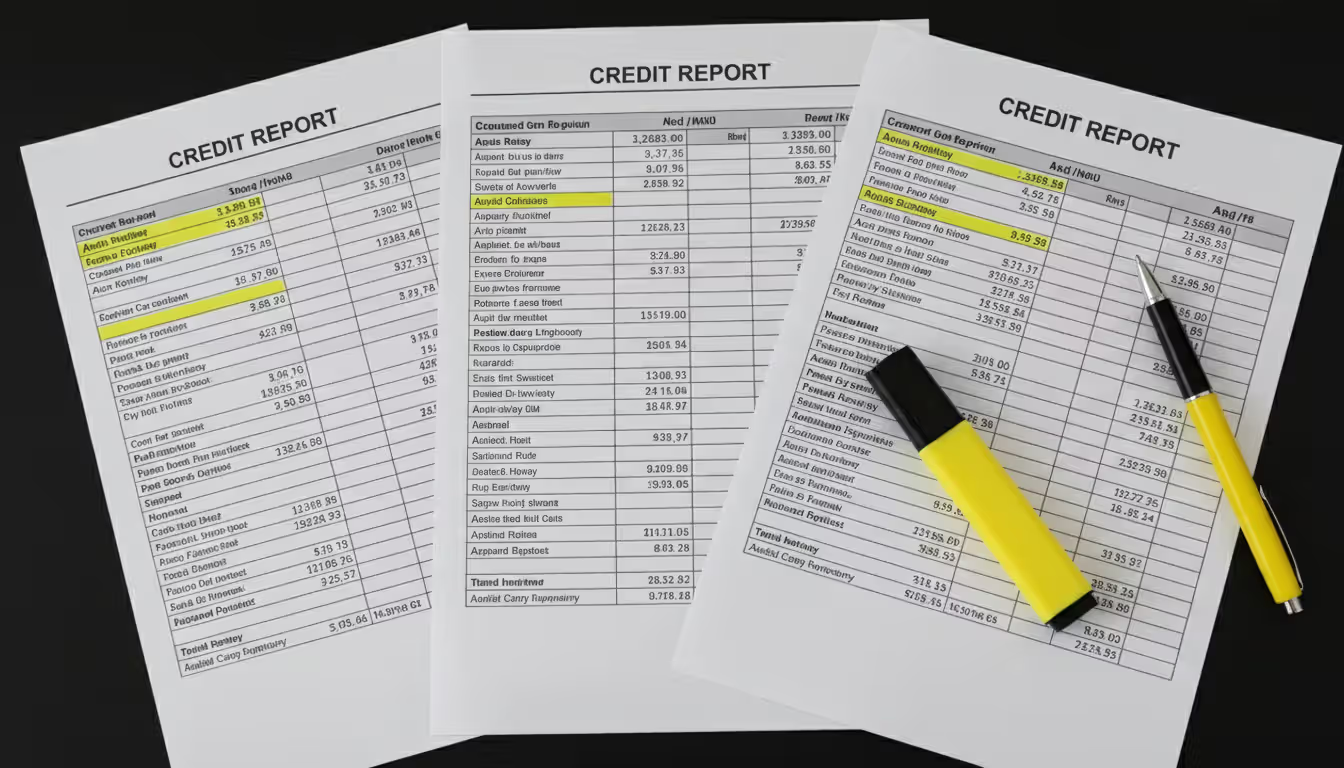
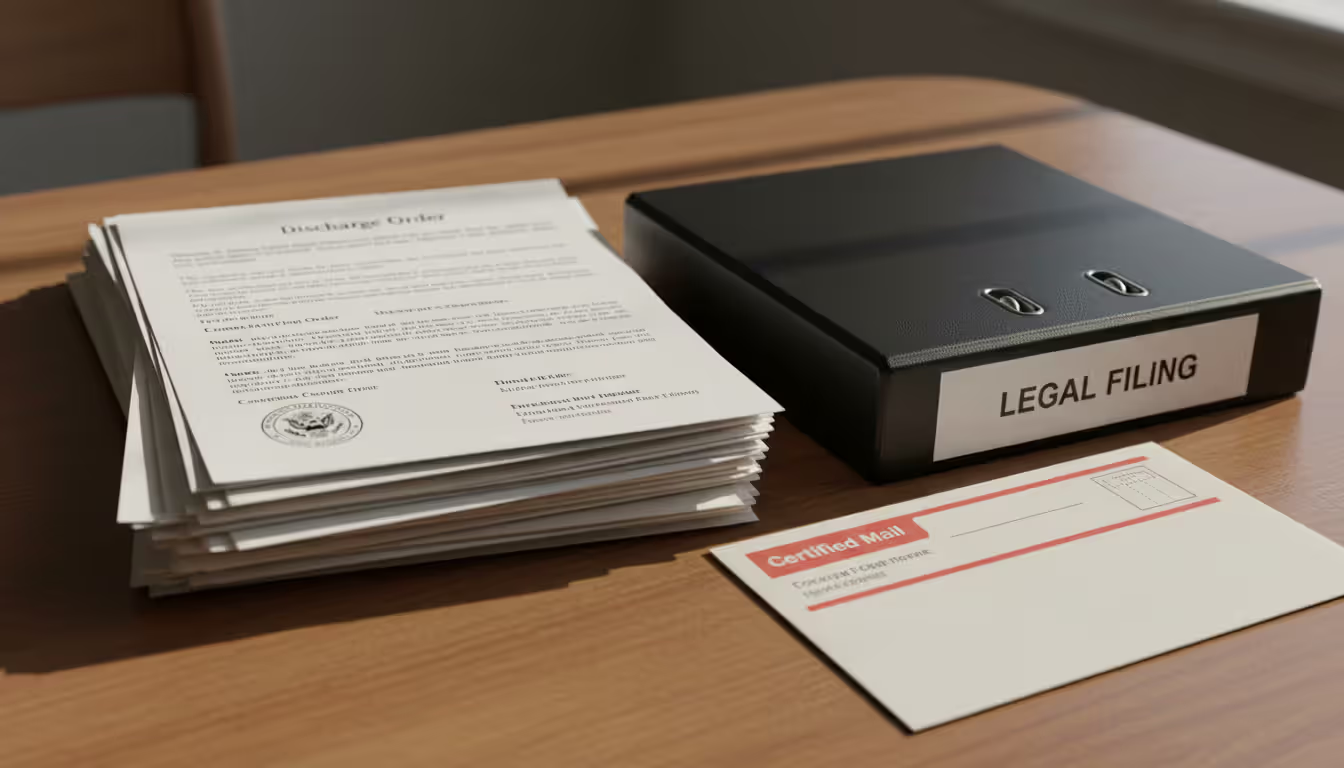
Bankruptcy filing stops collection calls and gives you breathing room. But here's the catch: that relief comes with credit damage that follows you for years. Most people assume they're stuck waiting out the clock—7 years for Chapter 13, 10 years for Chapter 7. What they don't realize is credit bureaus screw up bankruptcy reporting constantly. I'm talking wrong dates, wrong bankruptcy types, debts that should show zero balances still displaying what you supposedly “owe.”
The difference between passive waiting and active disputing? Possibly years off your credit recovery timeline. Let me walk you through exactly how to find these errors and force bureaus to fix them.
Is Early Bankruptcy Removal from Your Credit Report Possible?
Here's what federal law actually says: Chapter 7 bankruptcy stays on your credit reports for 10 years from your filing date. Chapter 13 gets removed after 7 years. The Fair Credit Reporting Act sets these timelines, and they're mandatory—not negotiable.
Can you pay someone to delete accurate bankruptcy information early? Absolutely not. Anyone promising guaranteed removal of correctly reported bankruptcy is running a scam. Period. The law exists specifically to give lenders accurate risk information. When your timeline expires, credit bureaus delete the entry automatically. You don't file paperwork. You don't make calls. It just disappears.
But—and this matters—legitimate bankruptcy removal happens all the time when reports contain verifiable mistakes. Say Experian lists Chapter 7 when you actually filed Chapter 13. That's three extra years of credit damage from pure error. Or maybe TransUnion shows you filed in March 2021, but your court documents clearly say November 2020. That's five months stolen from your recovery timeline.
These aren't technicalities. They're violations of federal reporting requirements that you can challenge immediately, regardless of when you filed. Credit bureaus get 30 days to investigate disputes. If they can't verify the information exactly as reported, they must remove it.
Author: Samantha Crowley;
Source: dynamicrangemetering.com
One critical distinction trips people up constantly: removing the bankruptcy public record differs completely from negotiating how individual debts appear. You might convince Chase to update how they report a specific credit card included in your bankruptcy, but that doesn't touch the bankruptcy filing itself in the public records section. Two separate entries, two completely different dispute processes.
Dismissed bankruptcies create another scenario entirely. When courts reject cases—maybe you missed mandatory credit counseling, failed to submit required documentation, or voluntarily withdrew before discharge—that dismissal shouldn't appear on credit reports at all. Not for seven years. Not for one year. Never. If you spot a dismissed bankruptcy on any of your reports, you're looking at a clear error demanding immediate dispute.
The secret of getting ahead is getting started
— Mark Twain
Identifying Bankruptcy Reporting Errors on Your Credit Report
Getting all three credit reports is step one. The federal government runs AnnualCreditReport.com, where you can download reports from Experian, Equifax, and TransUnion without charge. Don't use those sketchy credit monitoring sites asking for payment information.
Each bureau operates independently. They pull from different data sources on different schedules. I've seen clients with perfect bankruptcy entries at TransUnion while Equifax showed wrong filing dates and Experian listed the wrong chapter entirely. Check all three or miss critical errors.
Start in the public records section. Verify your bankruptcy chapter matches your actual filing. Chapter 7 when you filed Chapter 13? That's a three-year mistake. Next, compare the filing date against your court documents. Some bureaus transpose numbers—May 2021 becomes February 2021 in their system. Others confuse filing dates with discharge dates.
Now examine every single account your bankruptcy addressed. Each creditor who received discharge should show "included in bankruptcy" or similar language, with balances at zero. Instead, you'll frequently find creditors still reporting balances like you owe them money. Or showing late payments from after your discharge date—both violations of federal bankruptcy law.
Watch for duplicate bankruptcy entries. Credit bureaus sometimes list the same bankruptcy twice with slight case number variations or date differences. This happens when data updates fail to merge correctly with existing records. Why suffer double the damage from a single bankruptcy?
Pull out your discharge paperwork and compare filing dates across all three reports. Experian says January 2022, Equifax says August 2022, same case number? Somebody's database contains wrong information, and it's costing you months or years.
Common Bankruptcy Reporting Errors
Certain mistakes pop up with predictable frequency:
Wrong bankruptcy chapter designation. You filed Chapter 13, but your report shows Chapter 7. This adds three unnecessary years to your timeline. It happens often during Chapter 13 to Chapter 7 conversions—bureaus get the conversion notice but never update the original entry properly.
Incorrect filing or discharge dates. The reporting clock starts ticking from your filing date, not when the court granted discharge. Bureaus confuse these dates constantly. Some transpose month and day—filing on 03/15/2021 becomes 15/03/2021 in their system, which they interpret as March 2015. Yes, really.
Accounts missing bankruptcy notations. Individual creditors must update their tradelines showing "included in bankruptcy" status. When they don't, the account looks like an unpaid delinquency. Now you're penalized twice—once for the bankruptcy itself, once for the supposedly unpaid debt.
Discharged debts still showing balances. Federal law requires discharged debts to display zero balances. Creditors continuing to report what you "owe" after discharge are either incompetent or hoping you'll pay debts you're legally no longer obligated to pay.
Dismissed cases reported as completed filings. Courts dismiss bankruptcies for dozens of reasons: missing credit counseling, incomplete documentation, failure to make plan payments, voluntary withdrawal. None of these should appear on credit reports, yet bureaus display them anyway.
Spouse's separate bankruptcy contaminating your report. Unless you filed jointly, your spouse's individual bankruptcy has zero business on your credit report. Even in community property states, the bankruptcy public record attaches only to whoever filed.
Author: Samantha Crowley;
Source: dynamicrangemetering.com
Challenging Inaccurate Bankruptcy Information
Online dispute forms seem convenient, but they limit your explanation space and create vague paper trails. A detailed letter gives you room to specify exact errors, explain why the information is wrong, and reference supporting documents you're including.
Send disputes via certified mail with return receipt requested. This creates indisputable proof the bureau received your dispute and starts the mandatory 30-day investigation clock running. The Fair Credit Reporting Act gives bureaus 30 days for investigations, extending to 45 days when you submit additional information mid-investigation.
During their investigation, bureaus contact whoever furnished the disputed information—typically the bankruptcy court clerk or the individual creditor. If this source doesn't respond within the investigation period or can't confirm the information exactly as reported, the bureau must remove or modify the entry.
Bureaus must send written results. When they verify information and refuse removal, they must tell you who verified it and provide contact information. This lets you dispute directly with the source, often uncovering errors in how they're reporting to bureaus.
If bureaus correct errors, request a fresh credit report confirming changes took effect. Also request that they send corrected reports to anyone who pulled your credit in the previous six months (24 months for employment-related credit checks).
You'll dispute each bureau separately—corrections at Equifax don't automatically flow to Experian or TransUnion. Each maintains independent databases requiring individual disputes.
Documentation Required for Successful Disputes
Supporting evidence separates successful disputes from wishful thinking. Gather these materials before contacting bureaus:
Official discharge documentation. This court-issued paperwork proves your bankruptcy concluded successfully and establishes the precise discharge date. It identifies all discharged debts by creditor and account.
Complete court docket sheet. Request this from your bankruptcy court clerk or access it through PACER (the federal court electronic records system). The docket provides chronological records of every filing, hearing, and decision, including exact filing dates and final case disposition.
Author: Samantha Crowley;
Source: dynamicrangemetering.com
Filed schedule of creditors. This bankruptcy petition attachment lists every creditor you included. Use it to verify which accounts should display "included in bankruptcy" status.
Court dismissal order. For dismissed cases, this official order proves the bankruptcy didn't complete and shouldn't appear on credit reports.
Creditor acknowledgment letters. Written confirmation from creditors that they received discharge notices helps dispute accounts still showing balances or delinquencies post-discharge.
Previous credit reports. Old reports showing different information demonstrate inconsistencies. If last year's report showed one filing date and this year's shows another, somebody's making mistakes.
Keep copies of everything you mail to credit bureaus. If disputes escalate to Consumer Financial Protection Bureau complaints or legal action, you'll need evidence of what you submitted and when.
Navigating Credit Bureau and Bankruptcy Court Systems
Each major bureau maintains distinct dispute processes:
Bureau
Mail Disputes To
Online Disputes
Phone Number
Timeline
Experian
P.O. Box 4500, Allen, TX 75013
experian.com/disputes
888-397-3742
30-45 days
Equifax
P.O. Box 740256, Atlanta, GA 30374
equifax.com (credit dispute services)
866-349-5191
30-45 days
TransUnion
P.O. Box 2000, Chester, PA 19016
transunion.com (credit disputes)
800-916-8800
30-45 days
When bureaus reject legitimate disputes, escalate by filing complaints through the Consumer Financial Protection Bureau's online portal at consumerfinance.gov. The CFPB forwards complaints to bureaus, who often reconsider previously denied disputes when federal regulators start asking questions.
Contact your bankruptcy court clerk directly when disputes involve court record errors. Courts don't feed information straight to credit bureaus—they provide data to specialized public record vendors who resell it to bureaus. When court records are accurate but credit reports show errors, the mistake occurred somewhere in that data chain.
For accounts your bankruptcy addressed but creditors still misreport, mail those creditors copies of your discharge papers with a formal demand letter. Reference the discharge injunction's prohibition against collection attempts on discharged debts. Continuing to report balances or delinquent status potentially violates federal bankruptcy law—and you can sue for violations.
Some disputes require multiple attempts. Credit bureaus occasionally "verify" inaccurate information during initial investigations, especially when their sources provide incorrect data. One denial shouldn't stop you. Submit additional documentation, cite specific law violations, escalate through regulatory channels.
Rebuilding Credit After Bankruptcy
Correcting errors is half the battle. Establishing fresh positive payment history accelerates score recovery faster than obsessing over the bankruptcy entry itself.
Within months of discharge, apply for a secured credit card. These require security deposits—typically $200-$500—which become your credit limit. Put a small recurring bill on the card (Netflix, Spotify, whatever), then pay the complete balance when statements arrive. Most secured card issuers report to all three bureaus monthly, helping you demonstrate current responsible behavior.
Ask financially responsible family members or close friends to add you as an authorized user on their accounts. When someone with excellent credit and low balances adds you, their positive payment history may appear on your credit reports. This works best with accounts they've maintained successfully for years.
Author: Samantha Crowley;
Source: dynamicrangemetering.com
Credit-builder loans offer another rebuilding tool. These specialized products—usually $300-$1,000—work differently than traditional loans. Lenders deposit the loan amount into a secured account while you make monthly payments. After completing all payments, they release the funds. Meanwhile, your payment history reports to credit bureaus monthly, building positive history without requiring you to qualify for conventional credit.
Payment history dominates credit score calculations—it's 35% of your FICO score. Post-bankruptcy, every on-time payment accelerates recovery. Each late payment inflicts disproportionate damage. Set up automatic payments for at least minimums on every account to avoid accidental late payments.
Keep credit utilization ratios below 30% on revolving accounts—below 10% delivers even better results. With a $500 secured card limit, keep your balance under $50. High utilization signals financial stress to lenders regardless of perfect payment history.
Review all three credit reports quarterly during your first two post-bankruptcy years. Reporting errors spike during this period as accounts update their bankruptcy status. Catching and correcting mistakes immediately prevents compounding damage.
Recovery timelines vary based on individual circumstances and actions taken. Most filers following consistent rebuilding strategies see scores climbing within 12-18 months. Scores frequently reach the mid-600s within three years and can surpass 700 before the bankruptcy completely disappears.
Determining When Professional Credit Repair Makes Sense
Most bankruptcy-related credit problems you can resolve personally through organization and persistence. However, specific situations justify professional assistance.
Consider hiring help after disputing errors multiple times without resolution. Experienced credit repair specialists understand exactly which consumer protection laws to cite and how to escalate disputes effectively. They manage paperwork, follow-ups, and escalations while you focus on work and family.
Cases involving numerous errors across dozens of accounts become overwhelming. When your bankruptcy included many creditors and several continue misreporting, professionals can manage the dispute volume more efficiently than you juggling it alongside other obligations.
Recognize warning signs when evaluating credit repair companies. Legitimate providers never guarantee specific outcomes or promise accurate bankruptcy removal. They can't perform magic you couldn't accomplish yourself—they simply execute standard procedures more efficiently through experience and volume.
Reject companies demanding substantial upfront payments before performing work. The Credit Repair Organizations Act—federal law—prohibits companies from charging fees before completing promised services. Reputable firms charge monthly fees, usually $50-$150, and permit cancellation anytime.
Trustworthy services provide written contracts explaining your legal rights, services they'll perform, expected timelines, and total costs. They should acknowledge upfront that you can dispute credit report errors yourself without charge.
The Federal Trade Commission identifies these credit repair scam indicators: companies instructing you to avoid direct contact with credit bureaus, encouraging you to dispute accurate information, or suggesting you create new credit identities using Employer Identification Numbers instead of your Social Security number.
Frequently Asked Questions
Can I pay to remove a legitimate bankruptcy from my credit report?
No amount of payment removes accurately reported bankruptcy before the legally mandated timeline expires. Federal law requires bureaus to maintain accurate information for the complete 7-10 year period based on your bankruptcy chapter. Services claiming they can delete accurate bankruptcy filings for payment are scams. Removal only happens for entries containing verifiable errors or information bureaus cannot confirm during proper investigations.
How long does a bankruptcy dispute take?
Credit bureaus get 30 days for dispute investigations under federal law, possibly extending to 45 days when you supply additional documentation mid-investigation. Straightforward errors like incorrect dates often resolve within the initial 30-day window. Complicated disputes involving numerous creditors or requiring court documentation may need several dispute rounds spanning 3-6 months before achieving complete resolution.
Will disputing bankruptcy hurt my credit score?
Filing credit report disputes causes zero direct score impact. The dispute process remains invisible to lenders reviewing your credit. However, dispute outcomes affect scores—removing incorrect negative entries typically improves scores, while adding previously missing negative information could decrease scores. The latter rarely occurs with bankruptcy disputes since you're challenging existing entries rather than adding new information.
What happens if the credit bureau doesn't fix the error?
When bureaus investigate but refuse correcting genuine errors, you have several options. First, dispute directly with whoever furnished the information (the bankruptcy court or specific creditor). Second, file Consumer Financial Protection Bureau complaints, which frequently prompt reconsideration. Third, add 100-word statements to your credit files explaining the disputed information. Finally, consult consumer rights attorneys about potential Fair Credit Reporting Act violations when errors are obvious yet bureaus repeatedly refuse corrections.
Can I dispute a bankruptcy that was correctly filed?
You can technically dispute any credit report entry, but challenging accurate information wastes time and guarantees failure. Credit bureaus verify bankruptcies through court records and maintain accurate entries. Repeatedly disputing correct information may result in bureaus classifying your disputes as frivolous and declining to investigate future legitimate claims. Only dispute bankruptcy entries containing actual verifiable errors or unconfirmable information.
Does bankruptcy removal improve my credit score immediately?
Deleting inaccurate bankruptcy entries typically produces significant score increases, often 50-100+ points, though exact impacts depend on your complete credit profile. Improvements appear after credit bureaus update your reports, usually within days of completing investigations. However, when other negative items remain or you lack positive credit history, score increases may be more modest. Bankruptcy error removal delivers greatest benefits after you've already begun rebuilding positive credit activity.
Bankruptcy doesn't permanently define your financial identity. While accurately reported bankruptcy must remain visible for the complete legal period, reporting errors occur frequently enough that every bankruptcy filer should examine reports from all three bureaus carefully.
The dispute process demands documentation, persistence, and attention to detail, yet most people can manage it without professional assistance. Priority one: verify your bankruptcy displays the correct chapter, accurate filing date, and proper discharge status. Priority two: confirm all included accounts correctly reflect their bankruptcy status with zeroed balances.
Simultaneously, build positive credit through secured cards, credit-builder loans, and consistent on-time payments. Your score rebounds faster than you'd expect when combining error removal with proactive credit rebuilding. Most bankruptcy filers achieve good credit scores within three years by maintaining these strategies consistently.
Credit bureaus and creditors make mistakes routinely. You possess legal rights to accurate credit reporting. Exercising those rights through proper disputes protects your financial future. Whether handling disputes personally or engaging help for complex situations, taking action on inaccurate bankruptcy information delivers lasting creditworthiness improvements worth every moment invested.
Medical bankruptcy helps thousands of Americans eliminate overwhelming healthcare debt each year. This guide explains how bankruptcy discharges hospital bills, which chapter to file, the complete process, costs, and consequences of using bankruptcy to clear medical debt permanently
Bankruptcy remains on your credit report for 7-10 years depending on the chapter filed, but its impact diminishes significantly over time. Understanding the specific timeline and taking strategic rebuilding steps helps you recover your credit score and qualify for loans years before the bankruptcy notation disappears
Filing for bankruptcy triggers significant credit consequences, but understanding the specific impact helps you prepare and recover. Chapter 7 stays on your report for 10 years and can drop scores 150-240 points, while Chapter 13 remains for 7 years with a 130-200 point decrease
Tax debt can feel overwhelming, especially when the IRS begins collection actions. Bankruptcy can eliminate certain tax debts under specific conditions, but not all tax obligations qualify for discharge. Understanding the 3-year, 2-year, and 240-day rules is essential for determining eligibility
The content on this website is provided for general informational and educational purposes only. It is intended to explain concepts related to bankruptcy, debt relief, credit rebuilding, and related legal processes.
All information on this website, including articles, guides, and examples, is presented for general educational purposes. Bankruptcy outcomes and procedures may vary depending on jurisdiction, personal circumstances, and applicable laws.
This website does not provide legal, financial, or credit advice, and the information presented should not be used as a substitute for consultation with qualified attorneys or financial advisors.
The website and its authors are not responsible for any errors or omissions, or for any outcomes resulting from decisions made based on the information provided on this website.